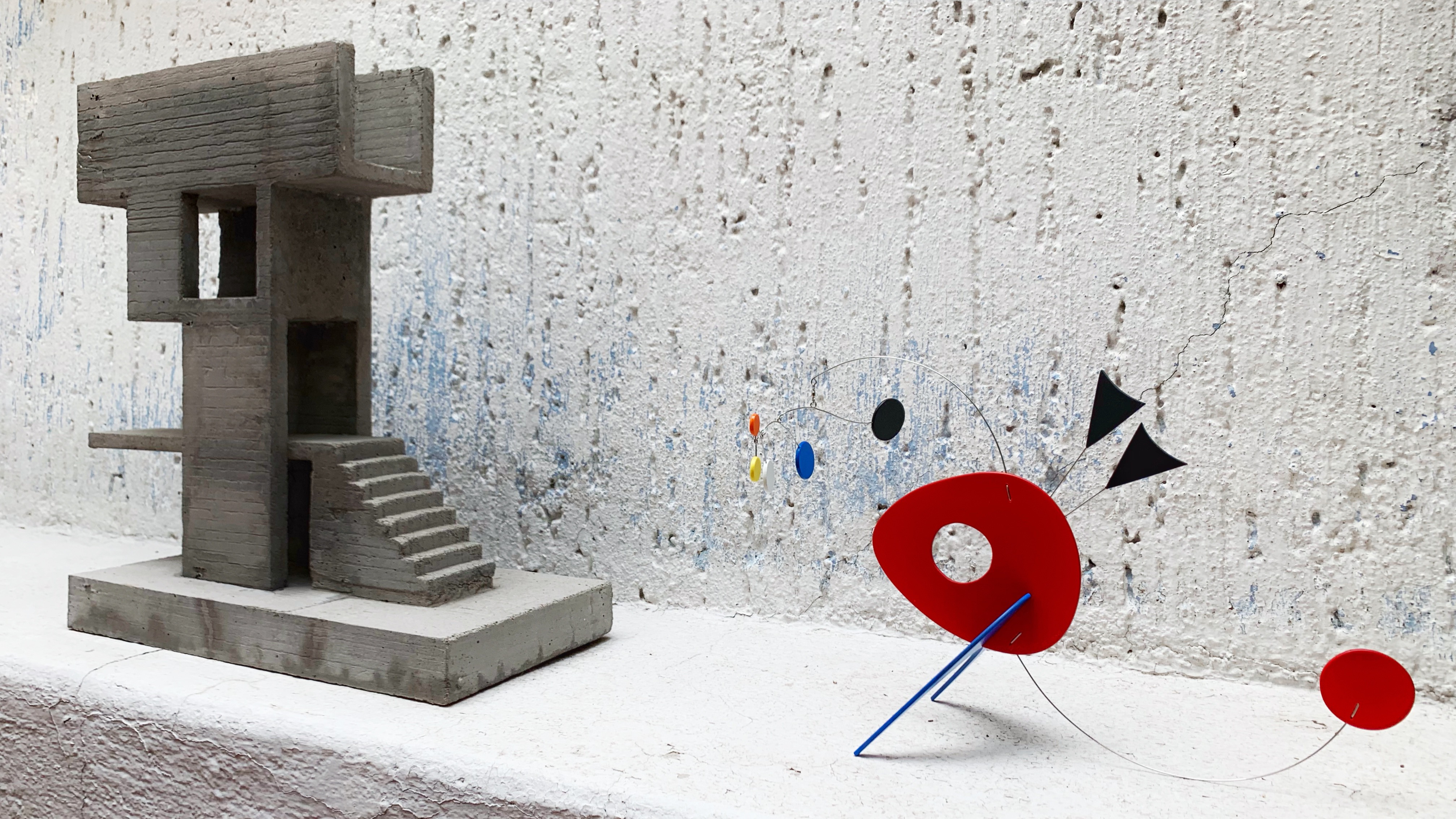
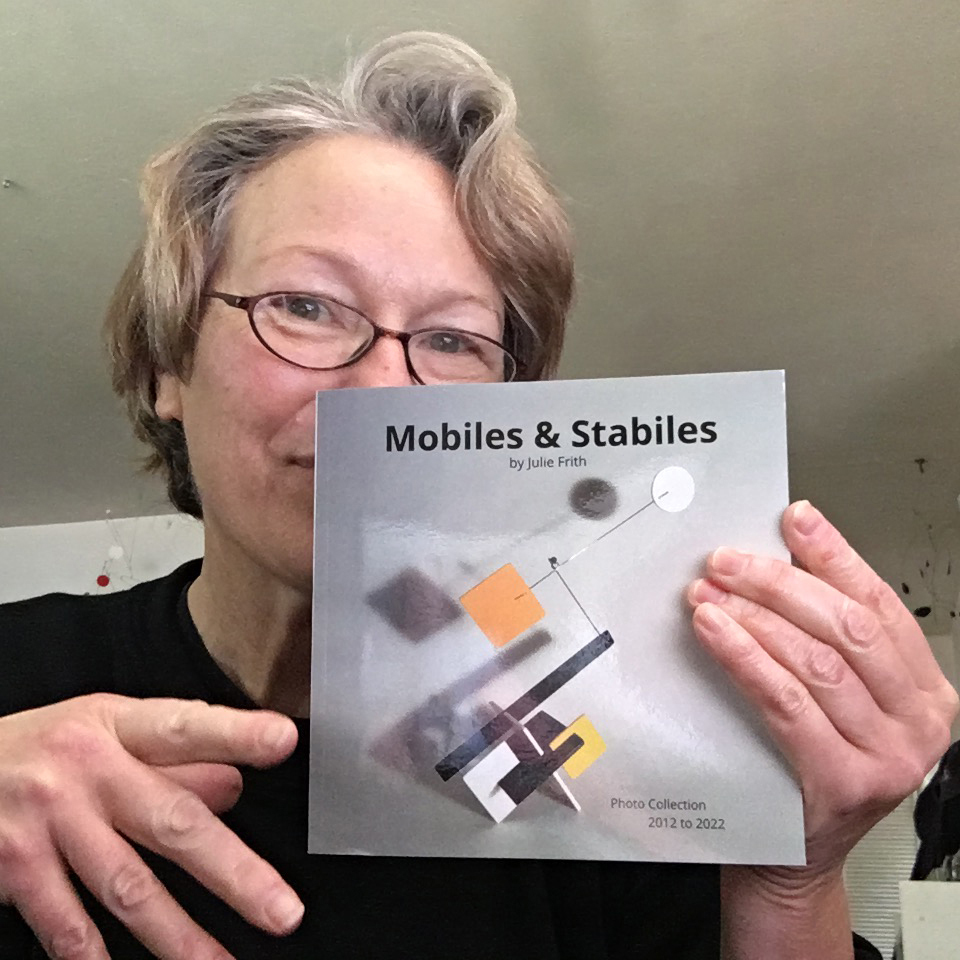
Artist Julie Frith is best known for her kinetic art mobile (sculpture). An artist born of two artist parents; Donald Frith (Professor of Ceramics U of I - 40 yrs.) a ceramicist and jeweler, and Barbara Frith (paintings) a winner of many awards for her paintings and sculptures. Julie, youngest of 4 grew up in a very artistic world. Raised in Champaign-Urbana, Illinois, Julie was (still plays today) a violinist from the age of 7 playing in orchestra and private lessons until the age of 18. Very studious, she also was gifted with artistic skills.
She was taught by her parents art structure basics and design, that took her to college for art and music. Then into many professional design jobs, teaching, and visual management positions after moving to Eureka California. Seeing and learning about art in museums around the world and viewing art books as a child, modern abstract art was a big influence on her that intrigued her in making handmade art all the time as a kid.
Early 80's she and Brian Ladd (who she met in C-U college), started the music label Ladd-Frith, playing bass in the band called Psyclones. In the 90's Julie taught herself digital photography, computer graphics and making of her own website (that she still runs today). In 1998 Julie started selling her own line of art earrings, graphics and mobiles... on Ebay and in private galleries.
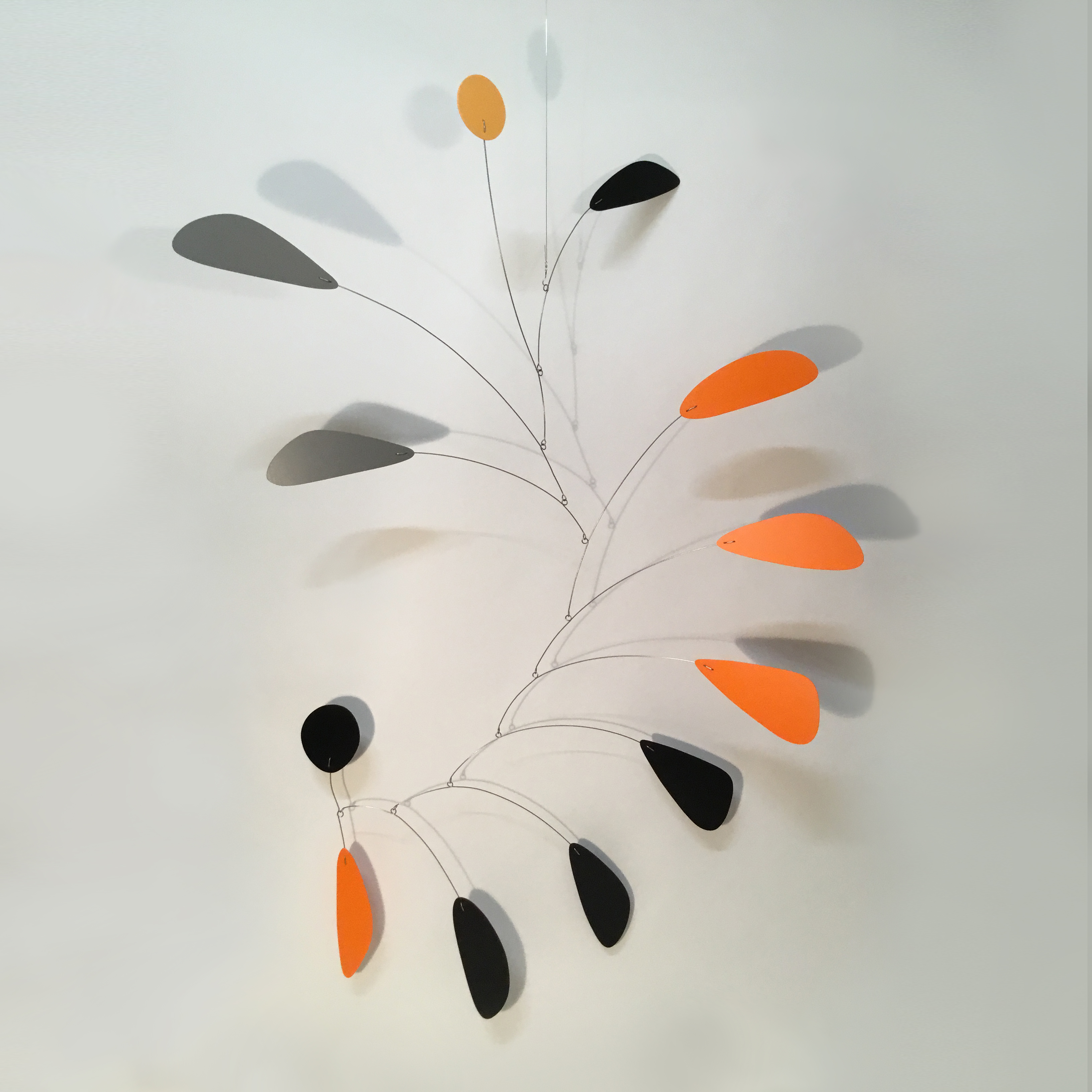
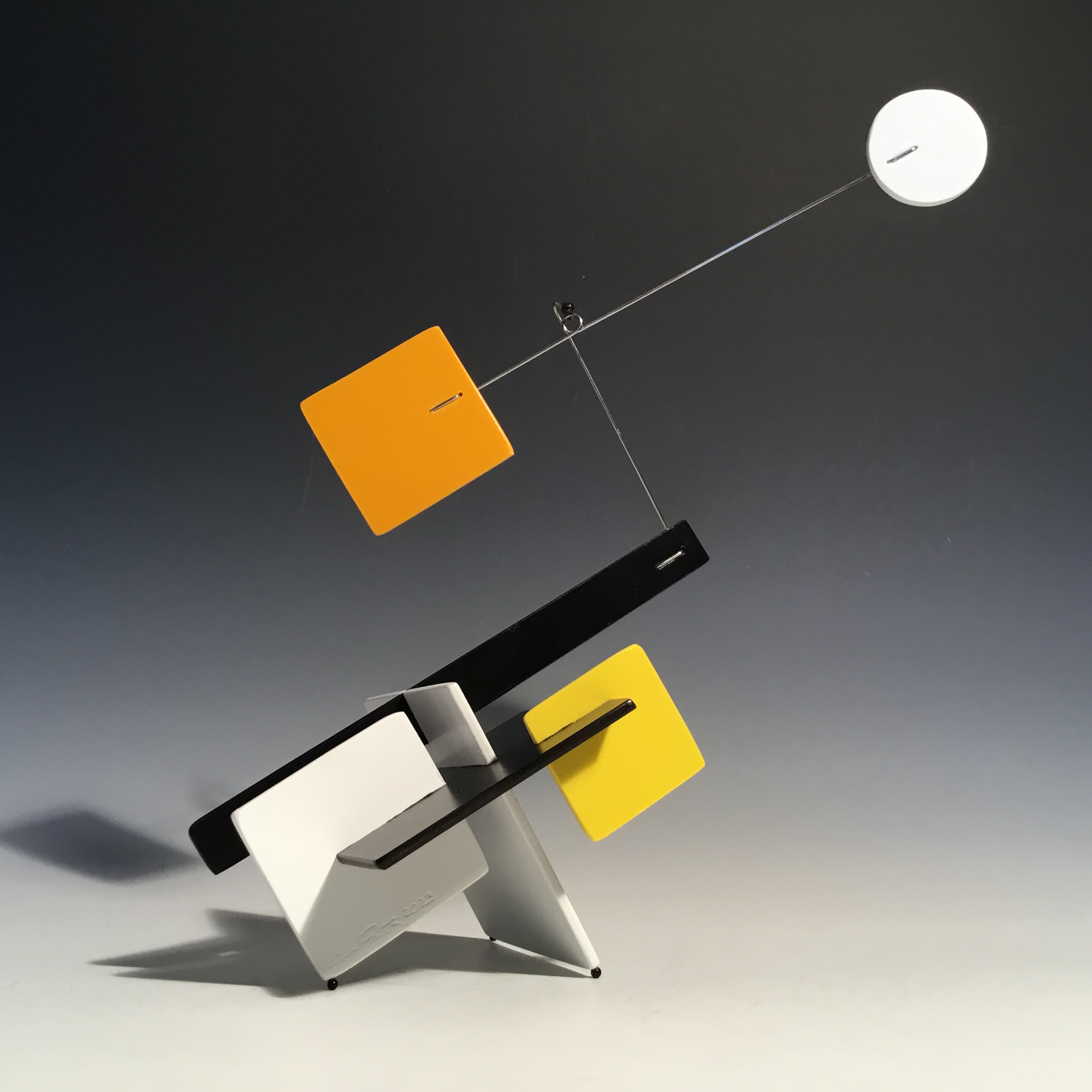
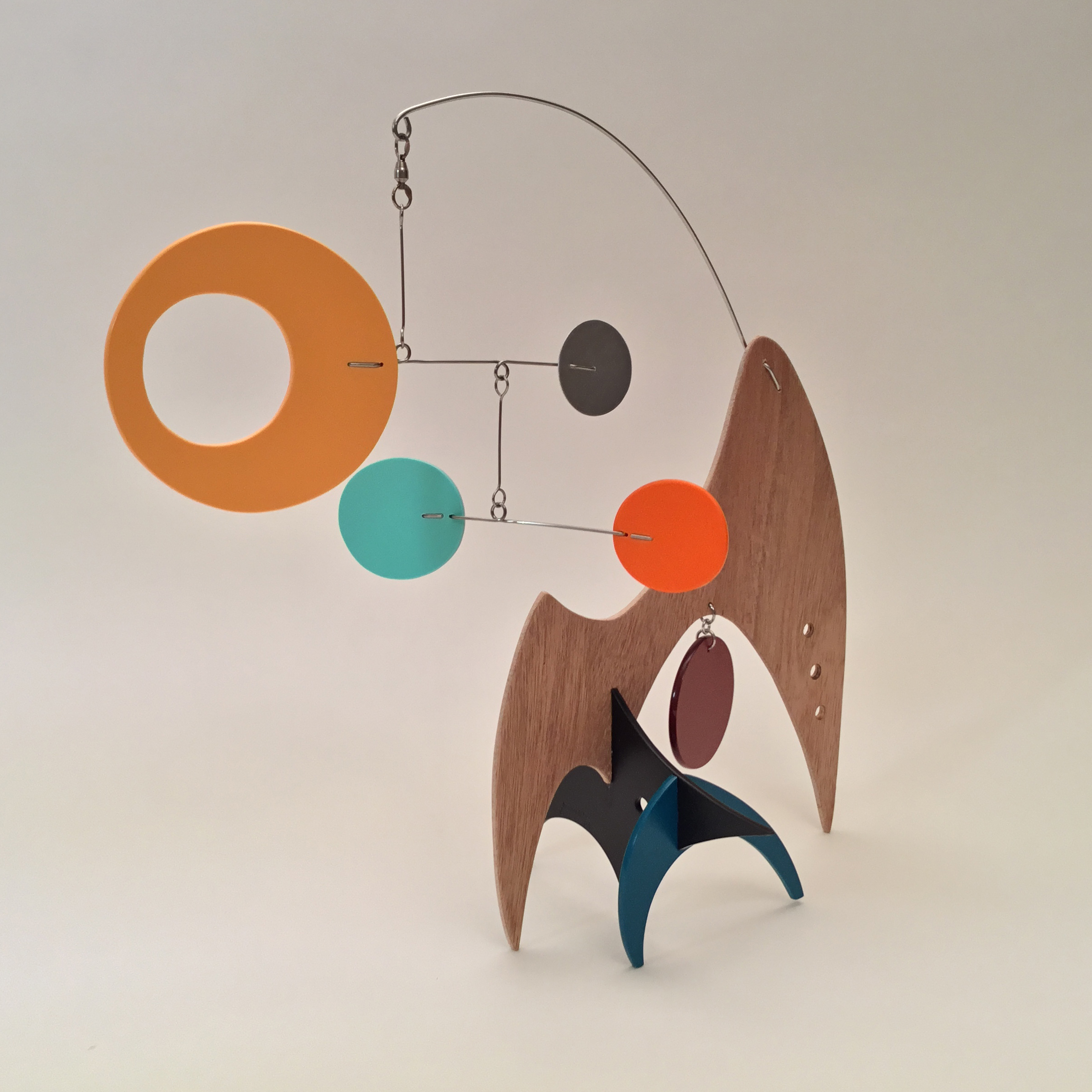
Julie makes most of her mobiles out of polished colored plastics and stainless steel, adding wood, and brushed metals to the selection of materials. Julie noticed the need for more modern art baby mobiles. Her promotional idea and approach for this style of art was creating "Modern Art for Babies" and "Art from Baby to College", something that would last a lifetime for that child. Julie created the first ever custom coloring of a mobile or stabile directly on line for buyers to match their nursery room decor.
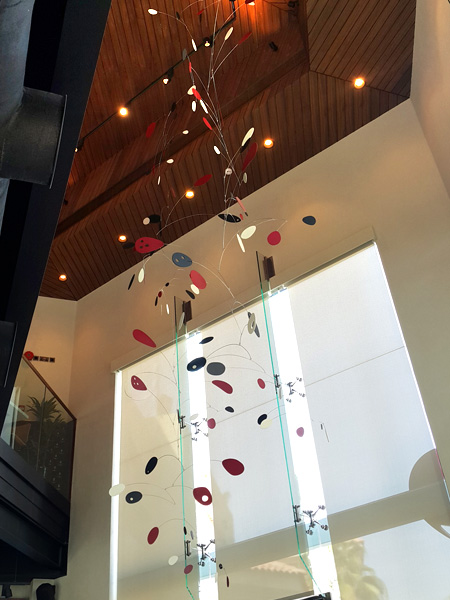
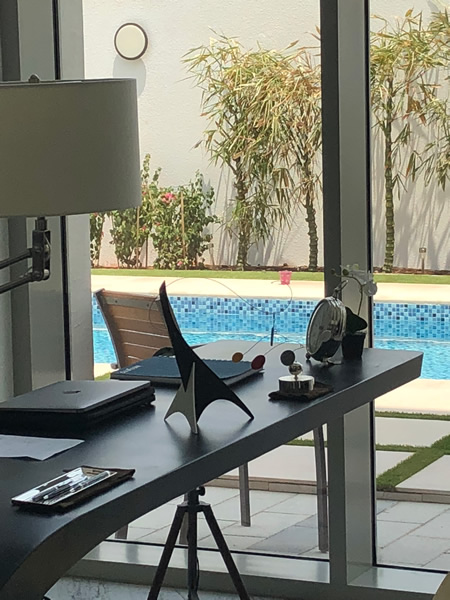
Selling mobiles all over the world, she and her husband Brian Ladd soon took full time jobs making mobiles together. Selling mostly online, she also has many art galleries and shops selling her work. Julie has made custom designed mobiles for such clients as Disney, Paramount, Universal Pictures, many Science Museums, Design Craftsmen, Kids II, Starbucks, Hard Rock Hotel to name a few. Her mobiles have been on television, in large magazines as Architectural Digest, House Beautiful, Parents, Dwell, Cookie, McGuire Furniture Catalog, and even on the fronts of college text books. Her stabiles have been the actual awards given to architects and designers as their awards... many, many times. Custom designing mobiles and stabiles for clients around the world. Look for her 2 Mobiles and Stabiles books on Amazon.
There are many different styles, and designs to choose from. Start with just a few, then try coloring them, and go from there. Think of the size, your space needing a mobile or stabile, and the feeling you get when you see photos of the art you like. Deciding is always hard when there are so many to choose from. Just because you like a couple, buy one now and get one next year. An art collector gets their collections over time. You can too!
Mobiles are fun, they add art and color to a modern nursery.
Your baby will love a mobile to entertain his/her eyes for hours on end. Calming them down, stimulating thought and creativity. Many designs to choose from and in all colors ... (babies do see all colors in about 4 months time). They'll grow up with their mobile, and even take this baby mobile to college!
All baby mobiles are made with
eco-friendly safe plastics, and are made to last a lifetime. Clients Baby Mobiles nursery ideas.
The best way to give me direction is... I need the approx. room space size, and the height of the room.
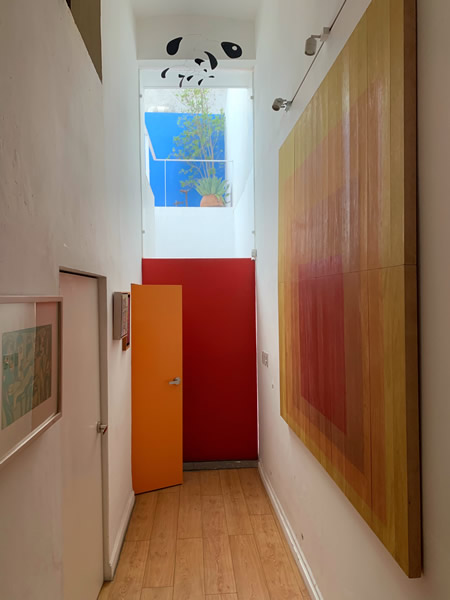
Other things to consider would be, lighting, room decor, furniture style, art on walls, colors around the area. Please email me a photo of the space needing the mobile. I love to take a photo and place a mobile to fit.
I also can give you mockups other than the ones shown on my site.
Like I say...just ask, I'll see if I can do it. Email me.